
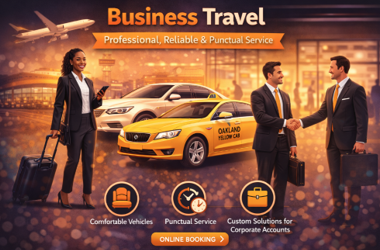
Business travel is, in some ways, more essential than it has ever been even in a digital world. Whether attending meetings, conferences, or corporate events, business professionals will always require travel between cities, offices and airports. Poorly planned travel is a waste of time, energy and productivity. If handled nicely, it can help strengthen relations and smoothen operations.
Business travel is more about time, speed, and convenience. Professionals frequently have to travel on tight schedules with important documents or tools. Hitch, confusion, and unreliable transportation will affect outcomes and reputations.
Organizations nowadays put more emphasis on travel efficiency. Transportation solutions that help alleviating stress, enabling productivity, and enhancing professionalism. The phases between meetings matter as much, if not more, than meetings themselves.
A practical view of business travel guide. (8 words) The write-up talks about why it is important, how can it be similar to leisure travel, and how travelers’ companies can plan more intelligently. The emphasis will be on clarity, effectiveness and professionalism.
What Business Travel Really Means?
Traveling for business purposes means any kind of travel for business which is not personal. Travel between offices, client locations, conferences, airport runs, etc. All travel is covered except personal. Its purpose is to enable person-to-person interaction with efficiency.
The time-side of business travel is an important factor Meetings usually have tight schedules and cannot afford to slip. sustainable transportation allows professionals to arrive prepared and on time.
Feeling comfortable is another essential. Having back-to-back meetings for long days isn’t easy. Comfortable travel situations have the travelers’ attention on improving productivity in the day.
The image of professionalism is also important Companies’ values are reflected by their transport. Business travel that is organized and dependable helps to cultivate a good impression.
| Feature | Business Travel | Casual Travel |
| Schedule flexibility | Low | High |
| Time sensitivity | Critical | Moderate |
| Comfort requirements | High | Variable |
| Professional image | Essential | Minimal |
Importance of Business Travelers
Business travel continues to play an integral role, despite the tools available. Some interactions require physical presence to establish trust and finalize deals. Travel supports collaboration in ways that online meetings cannot match.
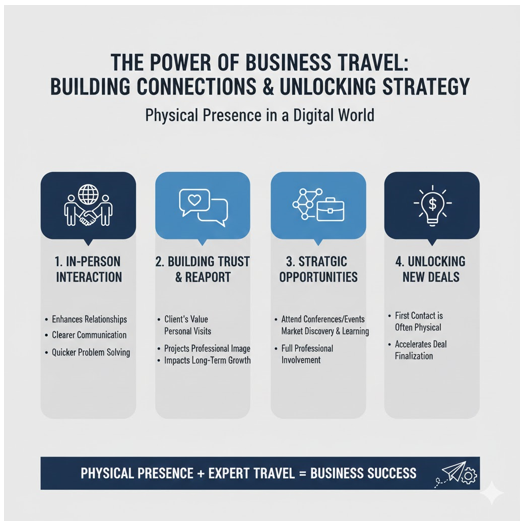
Professional relationships which provide support
In-person interaction enhances relationships. They help in communicating clearly, more engagement and quicker solutions. Business travel makes these exchanges possible across places.
A personal visit is often valued by clients. Being physically there makes you look professional. It can impact long-term relationships and growth.
Facilitating strategic possibilities
Conferences and industry events are important. You can connect and learn more about the market. Business travel allows working professionals to be fully involved.
Even if the follow-up happens through a digital tool, the first contact made is mostly physical. Travelling leads to such moments.
Choosing Business Travel versus Transportation Options
Choosing the right transportation method is an important business choice. Business travel solutions are different from general transport devising solutions
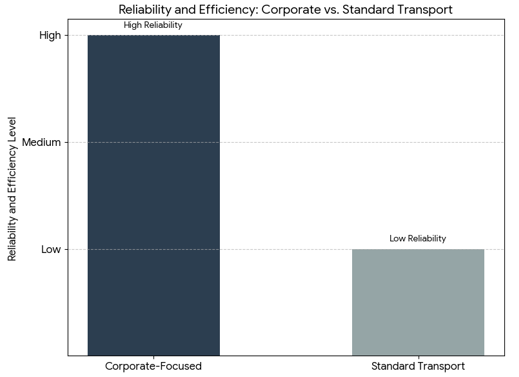
- Priority on Punctuality: Business Travel Solutions are highly reliable as they are designed considering time sensitivity, whereas general options are prone to delays which can jeopardize business meetings. Infect is an excellent example of good travel solution.
- Operational Consistency: The difference between High and Low scores suggests that transport for corporate clients makes use of more efficiently and professionally-driven vehicles which allows for constant predictability in the environment.
- Support for Professional Image: Services that do more than just move from A to B the high-efficiency solution needs to provide the Comfort Requirements (cleanliness, quiet space and premium vehicles) so that a traveler arrives fit for business.
- Mitigation of Low Flexibility: Due to low flexibility of business schedules, corporate services provide a dedicated dispatch and real-time tracking capabilities to manage a tight turnaround that standard transport is likely to miss.
For occasional needs, general transport may work – but it is often unreliable. Service standards, route planning and availability can differ widely.
Predictable solutions for business travel. They prioritize punctuality, clear scheduling and professionalism. This dependability lessens ambiguity and enhances the management of time.
The difference becomes evident for organizations with time. Travel routinely for better productivity and less stressful teams.
Planning a Business Trip: Factors to be Considered
More than simply booking a car, business travel planning. It involves comprehending the schedule, priorities, and expectations. Proper planning reduces inconvenience, maximizes value.
Efficient trip planning involves the routes, timing, etc. Travel should be perfectly in sync with meetings.
Look at this planning priorities
- Verify meeting agendas with your travel times.
- Include additional time for traffic or delays.
- Make your journeys more comfortable.
- Ensure clear communication with travelers.
By doing this, last-minute problems can be avoided whilst operations are smooth.
Consistency is another factor. Standardized travel arrangements give employees a sense of what to expect. Well known processes lessen surprise and increases decision speed.
Reason to Choose Organized Business Travels
Organized business travel investments provide long-term benefits. It cuts down on time, cut down on admin tasks and it helps staff satisfaction.
Eventually, these benefits lead to quantifiable performance improvements
Employees who travel in comfort and reliability arrive more focused. This enhances the productivity of meetings collectively. Long term organizational benefits accrue from the stress reducing and wellness supporting activities.
Traveling for business assists in growth (from a strategic point of view). It allows to expand markets, develop partnerships and presence. Well-organized travel becomes an operating asset rather than a cost.
Companies that run business travel as a core function often have the upper hand. The employees have improved their speed, teamwork, and professional image.
Using Business Travel to Gain Strategic Benefit
Business travel is a vital part of business operation. Good management of any conflict brings productivity, builds relationships and strengthens the image of the organization. Oakland Yellow Cab When travel is not well planned, friction and loss of opportunities are created.
Organizations can make business travel a competitive advantage by prioritizing reliability, comfort and planning. careful planning and coordination can facilitate every journey.
Efficiency of business travel has become a necessity in the fast-paced world. It is a useful necessity which supports success at all levels.
Add Your Comment